


[Event Report] The 141st HGPI Seminar “Current Status and Future Prospects of Korea’s Obesity Policy: Voices of People with Lived Experience in Policy Promotion” (March 3, 2026)
date : 4/6/2026
Tags: HGPI Seminar, NCDs, Obesity

![[Event Report] The 141st HGPI Seminar “Current Status and Future Prospects of Korea’s Obesity Policy: Voices of People with Lived Experience in Policy Promotion” (March 3, 2026)](https://hgpi.org/en/wp-content/uploads/sites/2/hs141-top-2.png)
In this HGPI Seminar, we welcomed Dr. Kim Yoohyun, Chair of Healthy Together Social Cooperative, who is a family physician in South Korea and a person living with obesity actively engaged in policy advocacy both domestically and internationally. Dr. Kim delivered a lecture covering the epidemiological trends and policy developments surrounding the burden of obesity disease in South Korea, the issue of stigma related to obesity disease, and the role that lived experience, both as a physician and as a person directly affected, plays in policymaking. Dr. Kim is also a Board Member (Committee of Public Relations) of the Korean Society for the Study of Obesity (KSSO), and following years of self-help group activities that began in 2018, established Healthy Together Social Cooperative in 2022.
<POINTS>
- The prevalence of obesity in South Korea has reached 38.4%, and the prevalence of Class III obesity (BMI ≥35) among people in their 20s and 30s has approximately tripled between 2012 and 2021. There is a growing need to address obesity disease among younger generations not as an individual problem, but as a societal challenge.
- Post-weight-loss regain is a physiological consequence of declining GLP-1, a hormone that sustains satiety and suppresses appetite, and is not attributable to individual willpower or lifestyle choices. Drug therapy targeting this physiological mechanism reduces food noise (obsessive thoughts about food), enabling individuals to sustain lifestyle improvements.
- Stigma toward people living with obesity disease leads to delayed care-seeking and other adverse outcomes; in particular, stigma among healthcare professional results in a decline in the quality of clinical care.
- There is an urgent need to shift to a two-fold approach that clearly separates obesity prevention from treating the disease that is obesity obesity disease treatment. Simultaneously, integrating the lived experiences of people directly affected into the processes of policymaking, academic research, and professional education is key to sustainable obesity disease countermeasures.
South Korea’s healthcare system operates on an “free-access” basis, but the absence of a primary care physician system poses challenges for the continuity and sustainability of chronic disease management, including obesity disease
South Korea achieved Universal Health Coverage (UHC) in 1989, and from July 2000 consolidated its regional and workplace-based insurance associations into the National Health Insurance Service (NHIS). Evaluation of healthcare quality and assessment of medical fees are handled by the Health Insurance Review & Assessment Service (HIRA), which was established simultaneously with the NHIS, while overall policymaking and management of healthcare resources falls under the Ministry of Health and Welfare. Under this system, enrollment in NHIS is mandatory for all citizens, with the exception of low-income individuals covered by the Medical Aid Program. There is no gatekeeper or primary care physician system for accessing healthcare services; patients are free to choose any primary or secondary care facility. Access to tertiary facilities (such as university hospitals), however, requires a referral from a primary or secondary care provider.
While this structure has strengthened responses to acute conditions, the weakness of primary care physician functions creates a structural challenge: it leads to fragmented follow-up care for chronic diseases requiring ongoing management, such as obesity disease and diabetes.
Obesity prevalence in South Korea is rapidly increasing, particularly among younger age groups, and the expansion of severe obesity disease is a challenge that society must address
Data on the actual state of obesity disease are generated based on results from general health checkups conducted biannually. In addition, the Korea National Health and Nutrition Examination Survey (KNHANES), conducted annually by the Korea Disease Control and Prevention Agency (KDCA), collects longitudinal data from approximately 10,000 individuals aged one year and older across 192 regions nationwide, covering lifestyle surveys, health checkup data, nutritional intake, and socioeconomic status. The KSSO uses this data to publish an annual Obesity Fact Sheet in infographic format, thereby establishing a framework to support evidence-based policymaking.
According to the latest Obesity Fact Sheet published by the KSSO in 2025, the prevalence of obesity (BMI ≥25) in 2023 reached 38.4% overall — nearly half of men at 49.8%, while women stood at 27.5%. Looking at the trend over the past decade (2014–2023), obesity prevalence among men rose sharply from 38.8% to 49.8%, whereas among women the increase was comparatively gradual, from 23.7% to 27.5%. Breaking down obesity by severity, Class II obesity (BMI 30–34.9) and Class III obesity (BMI ≥35) are on the rise in both sexes. Class III obesity in particular increased approximately threefold overall, from 0.38% (2012) to 1.09% (2021). Among men, it rose from 0.35% to 1.21% (approximately 3.5-fold), and among women from 0.42% to 0.97% (approximately 2.3-fold). This trend is especially pronounced among those in their 20s and 30s, with the prevalence of Class III obesity in this age group roughly tripling between 2012 and 2021 for both sexes.
While the “obesity paradox” (a U-shaped relationship in which modest overweight may be protective in older adults) is sometimes cited, the data show that this protective pattern does not hold for younger age groups. In those in their 20s and 30s, Class II and Class III obesity are clearly associated with markedly increased risks of all-cause mortality, cancer mortality, and cardiovascular mortality, along with rapidly rising prevalence of type 2 diabetes, hypertension, dyslipidemia, and associated healthcare costs. Severe obesity in younger generations must not be attributed solely to individual willpower or lifestyle choices; it is a structural challenge that society must address.
The South Korean government has officially recognized obesity disease as a medical condition and is advancing toward comprehensive treatment, including bariatric surgery and pharmacotherapy
The “Comprehensive National Obesity Management Plan,” jointly formulated and published in July 2018 by multiple government ministries, represents a turning point in South Korea’s obesity policy. This was the first official document in which the South Korean government formally recognized obesity disease as a “disease,” signaling a shift away from the conventional single-track approach of improving energy balance through diet and exercise, toward a two-fold approach encompassing both prevention and treatment. Specifically, the plan included extending insurance coverage to bariatric surgery (effective January 2019), mandating the placement of obesity disease specialists in community health centers, developing health promotion programs in out-of-school settings, regulating food advertising that encourages overeating (including “mukbang”-style content), and expanding mandatory nutrition labeling requirements.
Regarding bariatric surgery, insurance coverage applies to patients with BMI ≥35, patients with BMI 30–35 who have obesity-related comorbidities such as type 2 diabetes, hypertension, sleep apnea, or non-alcoholic fatty liver disease, and patients with BMI 27.5–30 who have comorbid type 2 diabetes. The patient co-payment is set at 20%.
Bariatric surgery is not merely a procedure for reducing gastric capacity; it has been scientifically demonstrated to produce metabolic improvements via gut hormones (such as enhanced insulin sensitivity), conferring medical benefits beyond weight reduction alone. In contrast to surgical treatment, pharmacotherapy including GLP-1 receptor agonists currently remains outside insurance coverage and is entirely out-of-pocket. Despite the established efficacy and safety of pharmacotherapy, access to this treatment is not guaranteed. In response to this situation, there has been a succession of movesfrom both ruling and opposition parties, toward enacting dedicated legislation covering the prevention and treatment of obesity disease, with this momentum building from 2024 into 2025. This policy development is significant because achieving insurance coverage for pharmacotherapy, including obesity medication, carries significant importance in publicly affirming that obesity disease is a condition requiring “treatment.”
Influenced by the Comprehensive National Obesity Management Plan, changes have also been observed in obesity management programs implemented at community health centers. While the 2022 guidelines defined obesity disease management simply as improving energy balance through diet and exercise, the 2025 guidelines clearly distinguish between prevention targeting the general public and treatment for patients requiring medical intervention. For patients with BMI ≥35 or those with comorbidities, pharmacotherapy is now explicitly recommended. This indicates that, even at the administrative level, obesity disease is increasingly being reconceptualized as a chronic disease.
Obesity disease is a chronic, relapsing condition shaped by genetic and environmental factors; weight regain must be understood as a symptom, not a failure of willpower or effort
The body has a weight set point determined by genetic and environmental factors; when body weight falls below this value, physiological responses including a decline in GLP-1 trigger increased appetite and reduced basal metabolism, driving the body to return to its original weight. This mechanism makes clear that weight regain is not a failure of willpower, but a relapse of a chronic disease.
In Dr. Kim’s own case, her weight set point is approximately 100 kg. Through 2,000 kcal/day dietary management combined with aerobic and strength training, she achieved a weight loss of 33.1 kg over seven months from February to September 2012. During this process, she obtained qualifications as a life sports instructor and an NSCA (National Strength and Conditioning Association)-certified personal trainer, and reached a level of fitness that allowed her to participate in 10 km races and high-rise building stair climbing races. By 2017, however, her weight had returned to approximately 100 kg. Even as she continued exercising, her weight was consistently pulled back toward her set point. She is now able to maintain her weight through the combined use of a GLP-1 receptor agonist and exercise. When food noise is reduced through medication, she says, it feels as if every day is the first day of starting a lifestyle improvement program. Just as patients with hypertension are not asked to manage their condition through diet alone without antihypertensives, she emphasized that in obesity disease as well, pharmacotherapy is a tool that supports lifestyle improvement, not a substitute for diet and exercise.
Stigma toward obesity disease leads both to patients avoiding medical care and to physicians adopting a passive treatment stance; addressing stigmatizing communication is therefore essential
In Korean society and East Asian medical culture more broadly, including Japan, there is a deeply entrenched belief, rooted in a mistaken assumption, that shame and reprimand are effective motivators for weight loss, making “shock-therapy” approaches widely perceived as useful. However, it has become clear that this approach is also counterproductive biologically. In patients who have been subjected to prolonged body-related bias and unfair treatment, sustained stress responses elevate blood cortisol levels, promoting visceral fat accumulation and creating a vicious cycle. Furthermore, internalized shame has been shown to increase the risk of obesity-related complications and mortality by manifesting as avoidance of medical care, decreased motivation to exercise, and binge eating.
Stigma also permeates the healthcare professional side. Biases such as “Patients with obesity disease can never follow guidance anyway,” “It’s a matter of willpower,” “Consultations take time with little to show for it,” and “These patients always come with so much baggage, depression, a victim mentality” are deeply embedded in clinical settings, manifesting as passive treatment attitudes and insufficient communication. These are common biases that arose from an environment in which healthcare professionals were compelled to treat the disease of obesity without adequate therapeutic tools. Dr. Kim noted her belief that if insurance coverage for pharmacotherapy is achieved, the range of available treatment options for physicians will expand, contributing to the resolution of such biases among healthcare professionals.
Various approaches exist for improving communication between people living with obesity disease and healthcare professionals. For example, guidelines from Canada, specifically the Canadian Adult Obesity Clinical Practice Guideline, recommend obtaining the patient’s permission before discussing weight or obesity. As a result, during initial consultations, conversations are structured around metabolic indicators such as blood pressure, liver function, blood glucose, and lipids, rather than starting with weight or BMI. After building a trusting relationship over two or three visits, the topic of obesity treatment can then be introduced, and this is often the point at which patients begin speaking about it themselves.
At the 2024 International Congress on Obesity and Metabolic Surgery (ICOMES), a media reporting guideline was developed in collaboration with the KSSO, of which Dr. Kim is a board member. The guideline affirms the position that images of people with obesity leading active lives do not promote or encourage obesity or weight gain. Such coverage, it was argued, would instead enhance patients’ self-efficacy and lower the psychological barriers that impede access to treatment.
Lived Experience as a Catalyst for Policy Change Through the Separation of Prevention and Treatment, Meaningful Patient and Public Involvement, and a Shift in Social Recognition
Dr. Kim’s decision to step into advocacy work was rooted in the experience of being unable to complete the standard obesity management program at a community health center, despite being a qualified personal trainer and having completed races including 10 km runs and the 63-story building stair-climbing race. The paradox that “a program designed for people living with obesity disease could not be completed by a person living with obesity disease” lies at the origin of her advocacy for separating prevention from treatment.
Dr. Kim identified three priority areas going forward. The first is the institutionalization of a dual-track system that clearly separates prevention from treatment. This requires establishing a policy framework that clearly distinguishes general health promotion for the public from clinical treatment for patients with the disease of obesity, continuing specialized training for healthcare professionals, and participating, as a patient and affected party, in government policy consultations and media forums to push for the institutionalization of this approach.
The second priority is expanding meaningful patient and affected-party participation. Currently, through collaboration with the KSSO, patient-led sessions are being introduced at international academic conferences such as ICOMES, with the aim of transforming the role of patients from passive subjects of research and education into active contributors. These activities are also part of the effort to ensure that the voices of patients and those directly affected reach the right audiences.
The third priority is changing the terminology and framing around obesity. By renaming “Obesity Prevention Day”, set on March 4th, to an equivalent of World Obesity Day, Dr. Kim aims to catalyze a cultural shift: from a perspective that frames obesity as something to be avoided and prevented, toward one centered on awareness, support, and medical intervention.
Dr. Kim noted that Japan’s approach to insurance coverage for obesity medication is recognized as an important initiative that is also directly relevant to achieving insurance coverage for pharmacotherapy in South Korea. She expressed her intention to continue policy advocacy toward legislation in South Korea, and her expectation that patient-led advocacy by people living with obesity disease will soon gain full momentum in Japan as well. She closed by expressing her sincere hope that a person capable of bridging evidence and the voices of those directly affected would emerge in Japan.
[Event Overview]
- Speaker: Dr.Kim Yoohyun (Healthy Together Social Cooperative (Obesity Patient Advocacy Group) Chair / Family Physician / Board Member, Korean Society for The Study of Obesity)
- Date & Time: Tuesday, March 3, 2026; 17:00-18:15 JST
- Format: Online (Zoom webinar)
- Language: Japanese and English
- Participation Fee: Free
- Capacity: 500 participants
■Profile:
Dr.Kim Yoohyun (Healthy Together Social Cooperative (Obesity Patient Advocacy Group) Chair / Family Physician / Board Member, Korean Society for The Study of Obesity)
Dr. Kim Yoohyun is an Obesity Advocate, and the Founder & Chairperson of Healthy Together Social Cooperative in South Korea. Living with obesity since childhood, she combines medical expertise with empathy to pursue the mission: supporting both the body and mind of people living with obesity. She organizes online/offline peer groups, produces educational content, and provides stigma awareness and specialized training for healthcare professionals. She also engages in policy advocacy to improve obesity care. Alongside her role as a family medicine physician at Chaum Medical Check-up Center Samseong Branch, she envisions a society of dignity, support, and lasting health.

Related Posts
-
2026-04-01
[Registration Open] (Webinar) The 143rd HGPI Seminar “20 Years Since the Enactment of the Cancer Control Act: Reflecting on the Past and Envisioning the Next 20 Years” (April 28, 2026)
-
2026-03-11
[Event Report] The 142nd HGPI Seminar “World Kidney Day 2026” Theme in Focus: The Current State of Green Nephrology and Green Dialysis—Balancing Kidney Health and Planetary Health (March 10, 2026)
-
2026-03-26
[Event Report] The 140th HGPI Seminar “Early Detection to Reduce COPD Disease Burden: Connecting Clinical Frontiers with Health Policy” (January 27, 2026)
-
2026-04-06
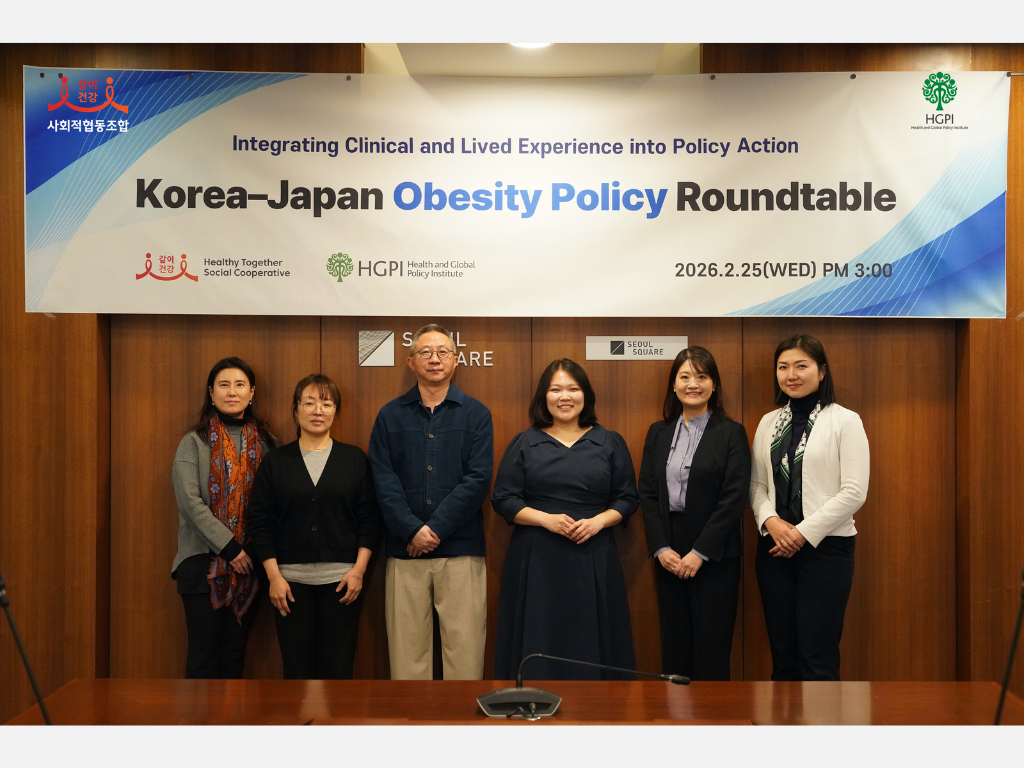
[Event Report] Korea-Japan Obesity Experts Meeting “Towards Policy Advancement Based on the Voices of Those with Lived Experience and Healthcare Professionals” (February 25, 2026)
-
2026-01-09
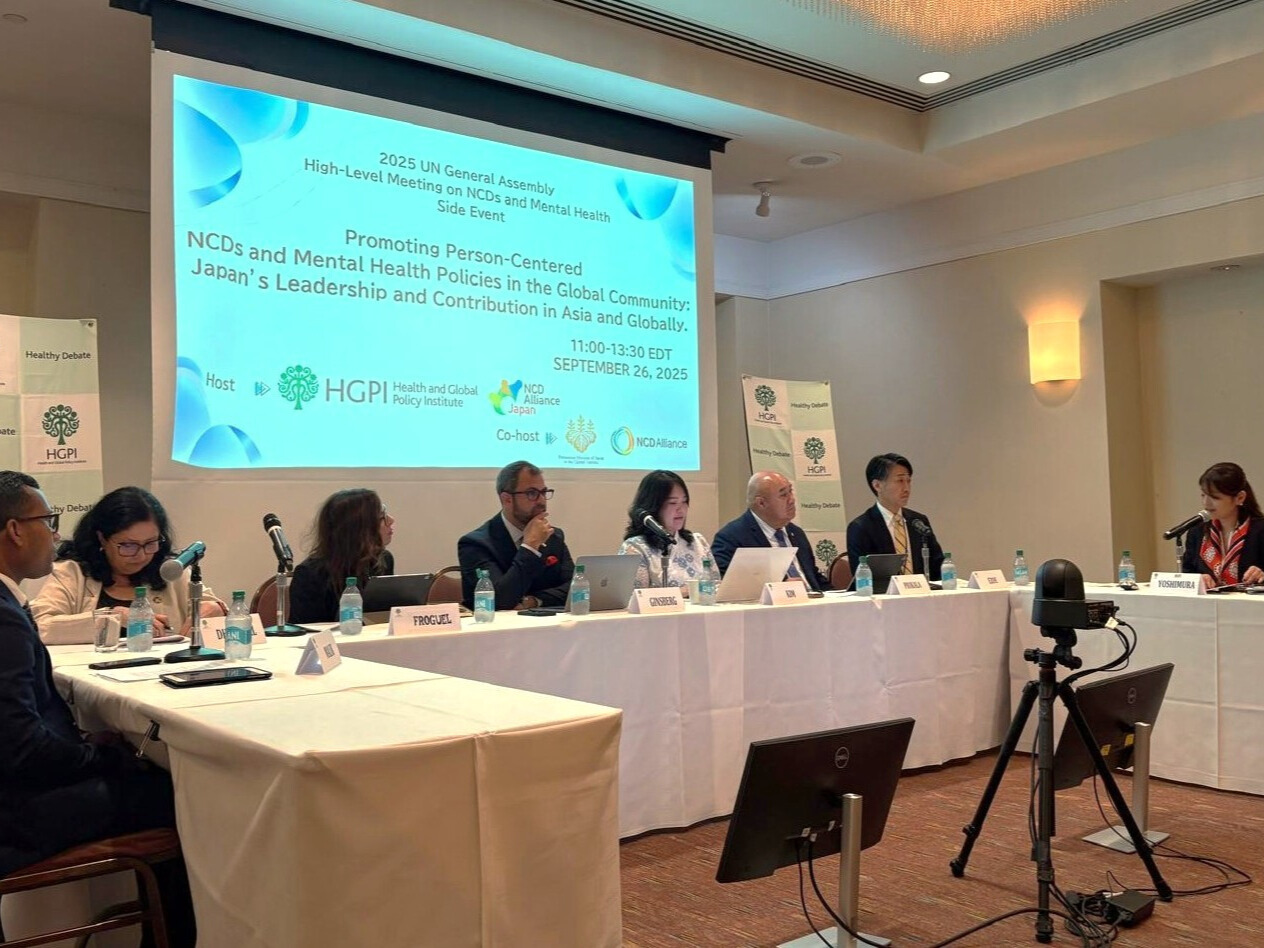
[Event Report] UNGA-HLM4 Side Event "Promoting Person-Centered NCDs and Mental Health Policies in the Global Community: Japan’s leadership and Contribution in Asia and Globally." (September 26, 2025)
-
2025-09-26
[Discussion Points] Obesity Control as a Challenge for Society: Promoting Understanding of Obesity and Finding Solutions Through Multi-Stakeholder Collaboration (August 21, 2025)
-
2025-06-30
[Event Report] Obesity Control Promotion Project Public Symposium “Obesity Control as a Social Issue; Toward the Realization of Citizen-Centered Policies” (December 4, 2024)
-
2024-08-19
[Discussion Points] NCDs-related Cross-project “Lessons and Challenges Drawn from NCDs Responses in Local Governments and Future Visions” (June 17, 2024)
Top Research & Recommendations Posts
- [Research Report] Energy Conservation and Greenhouse Gas Emissions Reduction in Healthcare Facilities: Case Studies from New Construction and Facility Renewal (March 16, 2026)
- [Public Comment Submission] “The 7th Science, Technology and Innovation Basic Plan” (Draft) (February 19, 2026)
- [Research Report] Perceptions, Knowledge, Actions and Perspectives of Healthcare Organizations in Japan in Relation to Climate Change and Health: A Cross-Sectional Study (November 13, 2025)
- [Research Report] The 2025 Public Opinion Survey on Healthcare in Japan (March 17, 2025)
- [Research Report] The 2026 Public Opinion Survey on Healthcare in Japan (February 13, 2026)
- [Policy Recommendations] Reshaping Japan’s Immunization Policy for Life Course Coverage and Vaccine Equity: Challenges and Prospects for an Era of Prevention and Health Promotion (April 25, 2025)
- [Research Report] The 2023 Public Opinion Survey on Satisfaction in Healthcare in Japan and Healthcare Applications of Generative AI (January 11, 2024)
- [Policy Recommendations] Mental Health Project: Recommendations on Three Issues in the Area of Mental Health (July 4, 2025)
- [Research Report] The Public Opinion Survey on Child-Rearing in Modern Japan (Final Report) (March 4, 2022)
- [Policy Recommendations] The Path to a Sustainable Healthcare System: Three Key Objectives for Public Deliberation (January 22, 2026)
Featured Posts
-
2026-02-13
[Research Report] The 2026 Public Opinion Survey on Healthcare in Japan (February 13, 2026)
![[Research Report] The 2026 Public Opinion Survey on Healthcare in Japan (February 13, 2026)](https://hgpi.org/en/wp-content/uploads/sites/2/HGPI_The2026PublicOpinionSurveyOnHealthcareInJapan_20260213.jpg)
-
2026-03-03
[Registration Open] Online Seminar “Implementing Chronic Kidney Disease (CKD) Measures into Society: Towards a Data-Driven Health System” (April 21, 2026)
![[Registration Open] Online Seminar “Implementing Chronic Kidney Disease (CKD) Measures into Society: Towards a Data-Driven Health System” (April 21, 2026)](https://hgpi.org/en/wp-content/uploads/sites/2/HGPI_20260421_CKDonlineseminar-.png)
-
2026-03-23
[Registration Open] Application for the Health Policy Academy the 15th Session (Session Starts July 2026)
![[Registration Open] Application for the Health Policy Academy the 15th Session (Session Starts July 2026)](https://hgpi.org/en/wp-content/uploads/sites/2/HGPI_20260319_HPA15.jpg)
-
2026-04-01
[Registration Open] (Webinar) The 143rd HGPI Seminar “20 Years Since the Enactment of the Cancer Control Act: Reflecting on the Past and Envisioning the Next 20 Years” (April 28, 2026)
